NATIONAL CROSSWORD SOLVERS DAY | December 8
On December 8 we celebrate National Crossword Solvers Day with nearly 50 million people who enjoy solving crossword puzzles.
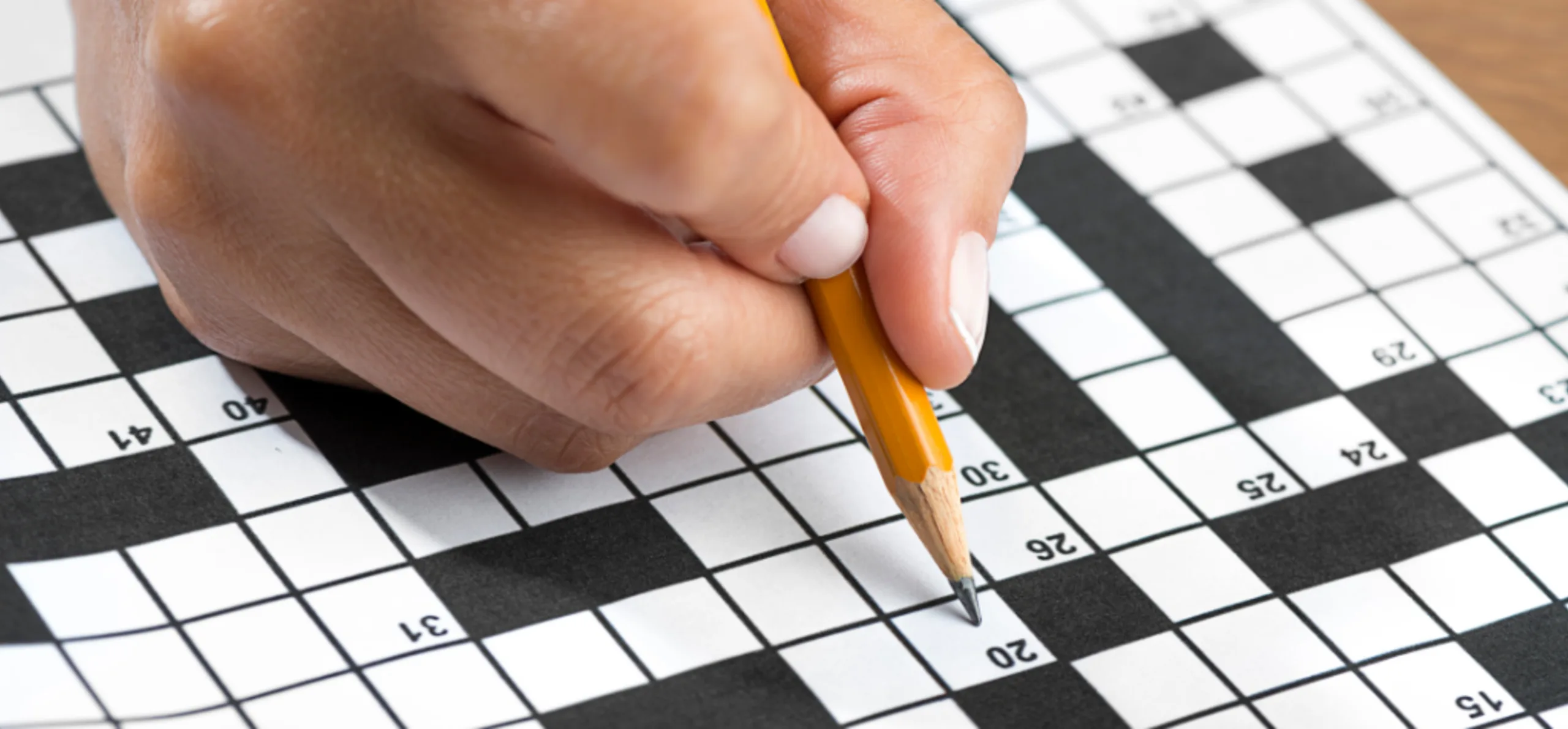
Solving crossword puzzles is a favorite pastime for people across the globe. In fact, it is so popular, people who solve or write crossword puzzles have their own name--cruciverbalists! Today, we want to celebrate all the cruciverbalists in the world, plus encourage everyone to find a crossword puzzle and become a solver, too!
How Old Are Crossword Puzzles?
The crossword puzzle was first introduced in the New York World newspaper in 1913 by journalist Arthur Wynne. It was the eve of WWI and Wynne was looking for a new game for the FUN section in the newspaper as a way to take people’s minds off the impending war. Wynne began by creating a blank word search grid. Each grid came with a list of clues for readers to use in solving the letters. The original puzzle was named "FUN's Word-Cross Puzzle" and was interestingly found in the shape of a diamond. A few weeks later an editor made a typo naming the puzzle “Cross-Word.” This cross mistake became a historical game changer.
The first records of crossword puzzles are historically found to originate in England during the 19th century. Most of these puzzles were easy to solve, and usually printed in children's books or periodicals. Meanwhile, Americans were turning crossword puzzle solving into an adult pastime. Today, crossword solvers have many choices in satisfying their puzzle cravings, including celebrating National Crossword Solvers Day in December every year.
Benefits of Solving Crossword Puzzles
People who solve crossword puzzles are often more relaxed, especially when trying to solve day-to-day problems. Many use their puzzle-solving skills indirectly by approaching stressful situations similar to how they approach solving puzzles. Slow, calculated, and with thought. Studies show solving crossword puzzles regularly has several health benefits, including:
Improving short-term memory skills.
Assisting in developing better problem-solving skills.
Increasing individual IQ by learning new vocabulary.
Helping delay dementia and Alzheimer symptoms in at-risk individuals.
Improving mood by lowering stress levels and teaching the brain to relax.
Do you do crossword puzzles?